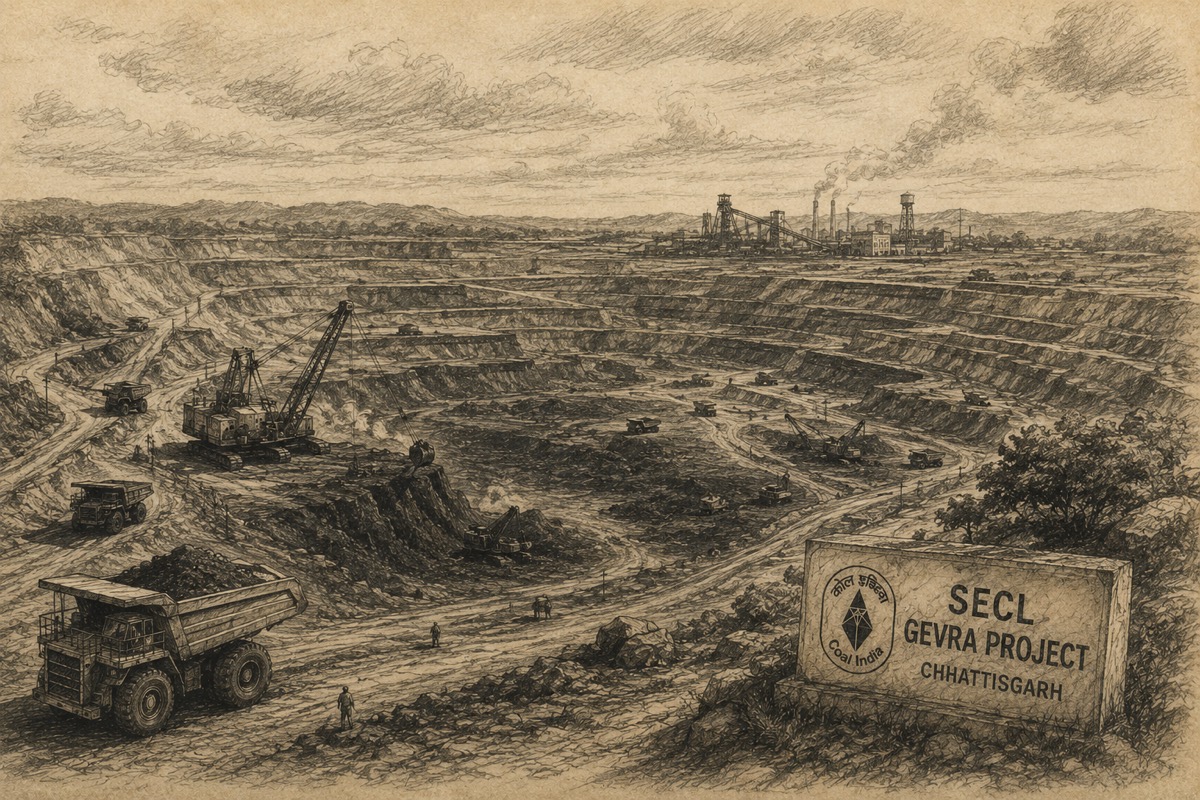
Gevra
"There was a particular quality of silence in the evenings - the kind that felt shared."
Community as first landscape; belonging as place.
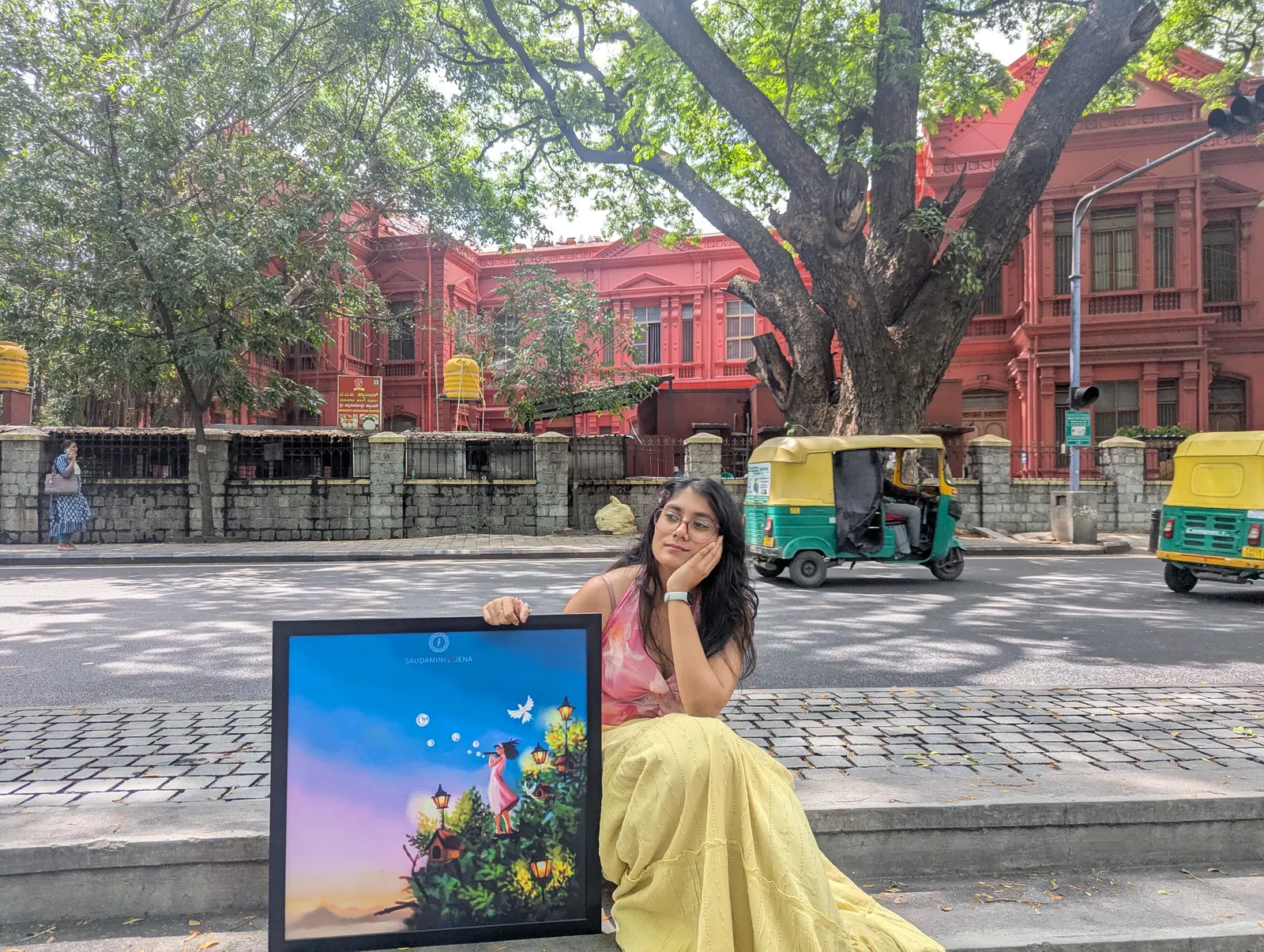
Face behind the Khidki
Visual artist. Trained architect. Quiet observer.
"I am interested in what people don't say - and the emotions that live just beneath."
Begin the storyHi, I'm Saudamini. I am a visual artist and trained architect, drawn to the emotional life of spaces, gestures, and small details.
Architecture taught me that structure and feeling are part of the same conversation. A wall can hold silence. A threshold can carry memory. A window can make the inner world visible without explaining it away.
I collect the things most people walk past: the way light falls at 4pm, the pause before someone speaks, the weight of an unsaid thing. Those observations become paintings.
How I See
The titles arrive first, like clues. Each one opens into the artwork behind the feeling.
Moving Art
This short silent piece sits between observation and making: artwork, street, body, and scale held as one small field note.
It is intentionally quieter than a film section. The page is still about the artist; the motion simply gives the work a pulse before the process begins.
Silent moving artwork, optimized from the supplied source video for browser playback.
The work begins when a feeling stays longer than expected. It asks for attention before it asks for a form.
Places that shaped the work
"There was a particular quality of silence in the evenings - the kind that felt shared."
Community as first landscape; belonging as place.
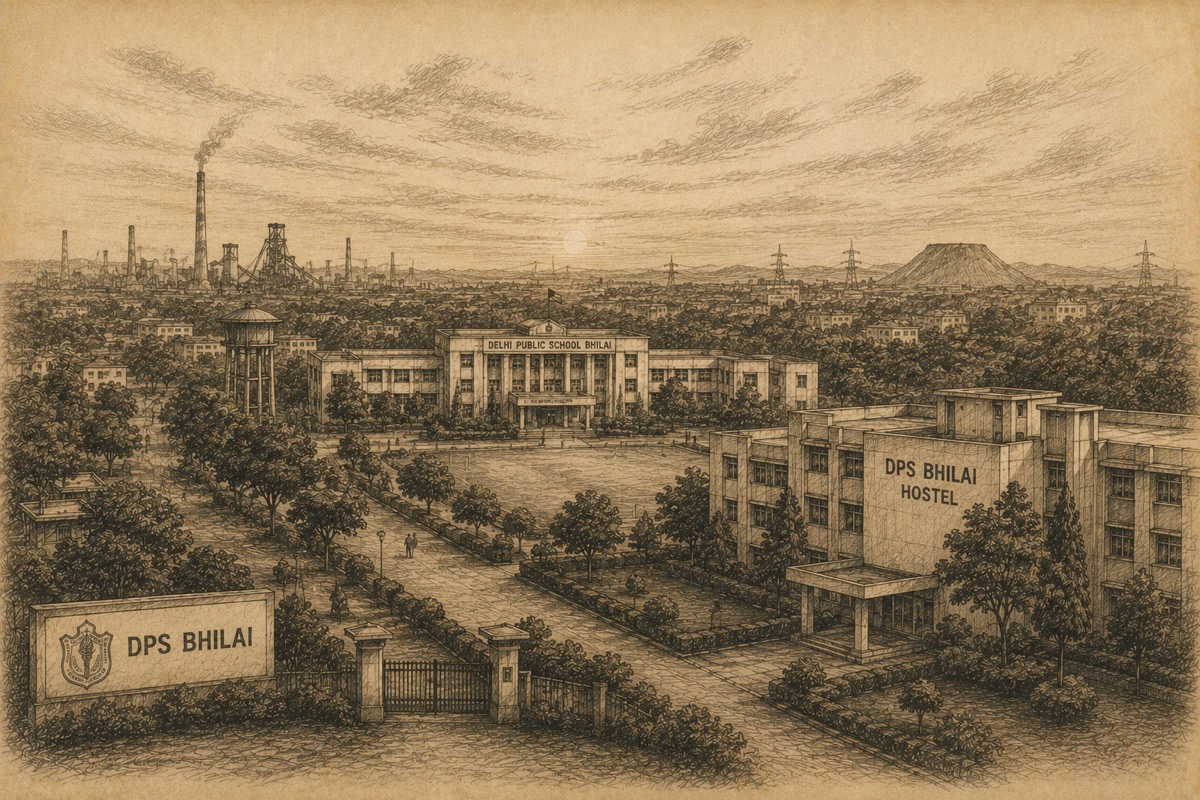
"Independence begins quietly, in small decisions no one else knows about."
Identity built in increments.
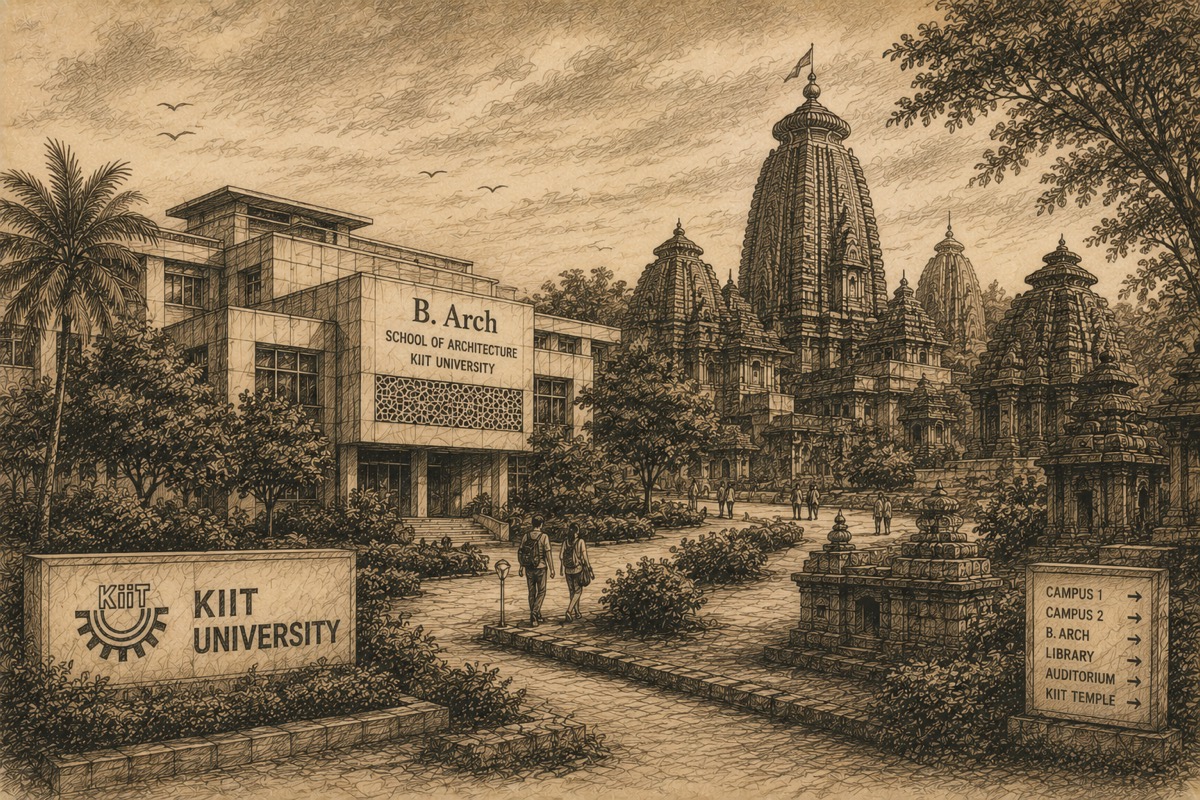
"Architecture taught me that structure and emotion speak the same language."
Form is never neutral.
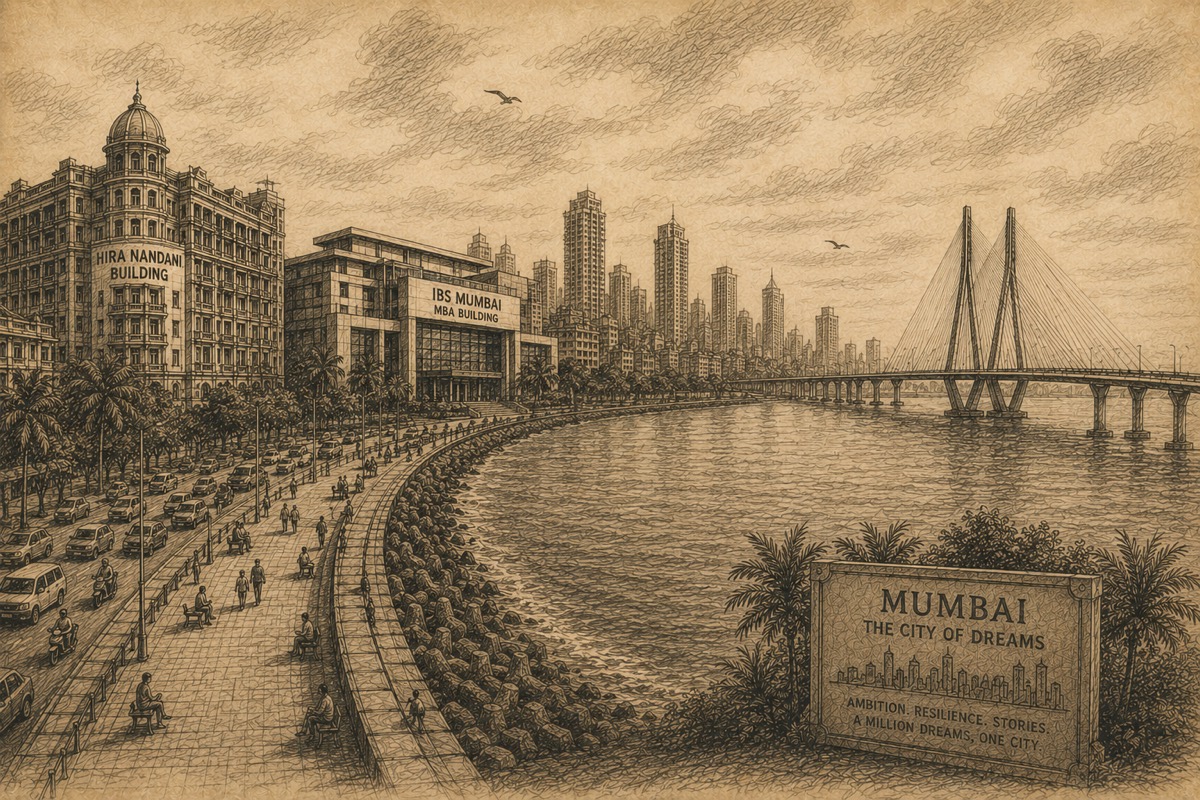
"Eight million people, and somehow the loneliness had texture."
Humanity in chaos; connection and isolation.
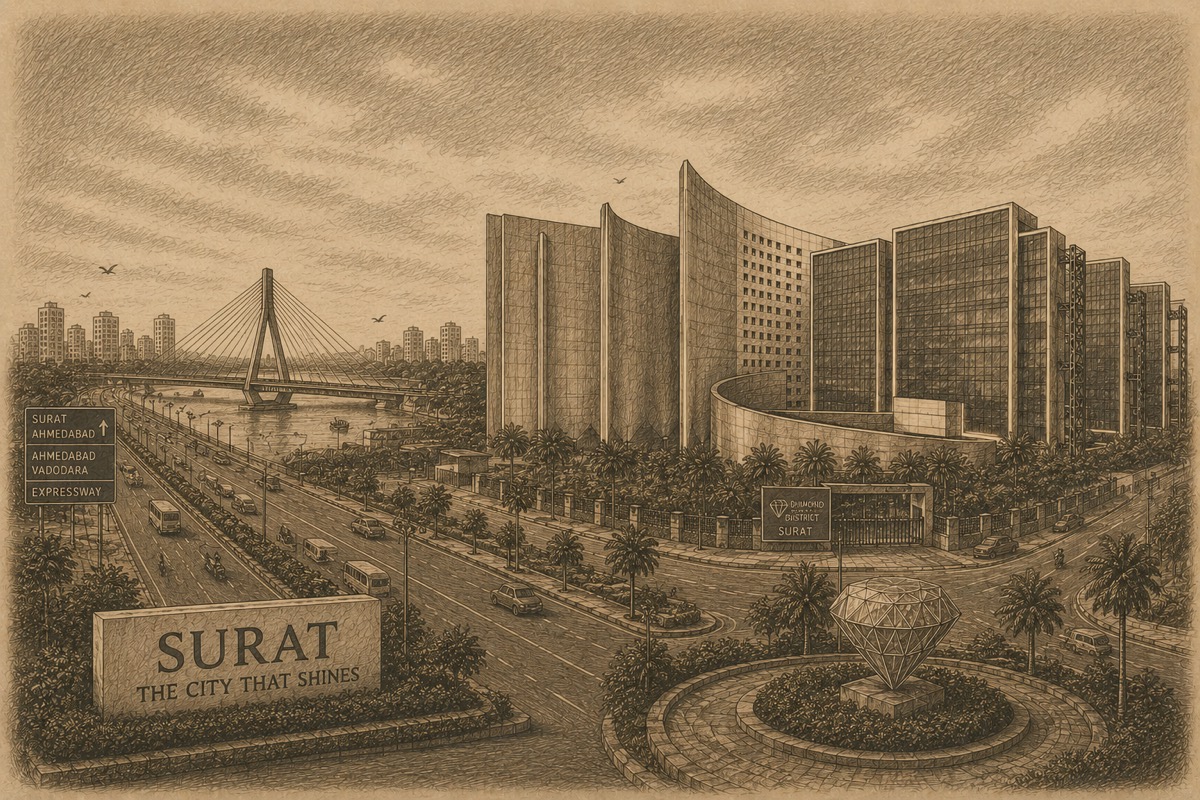
"Solitude stopped being something that happened to me and became something I chose."
Stillness as practice.
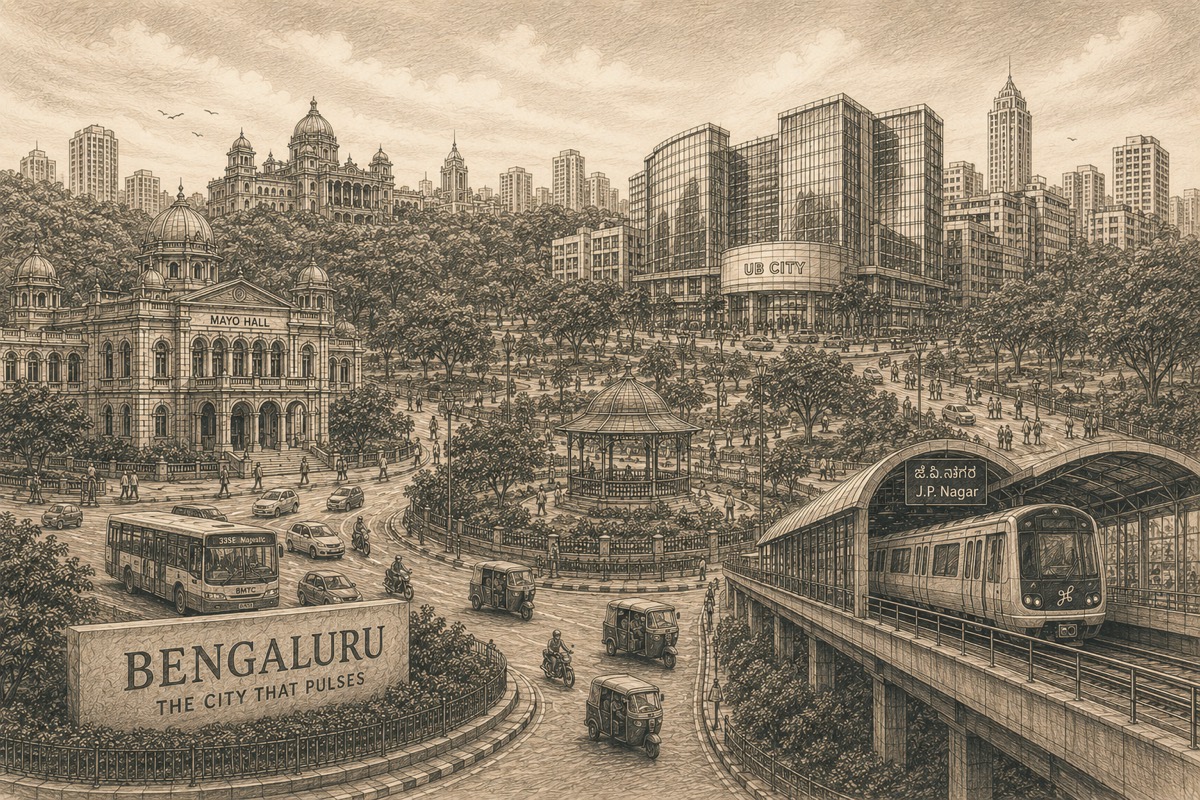
"The observations had been accumulating for years. They finally had somewhere to go."
Observation becoming practice.
Stay near the window
For collecting, browsing, writing, or following the studio trail, the next window is open.